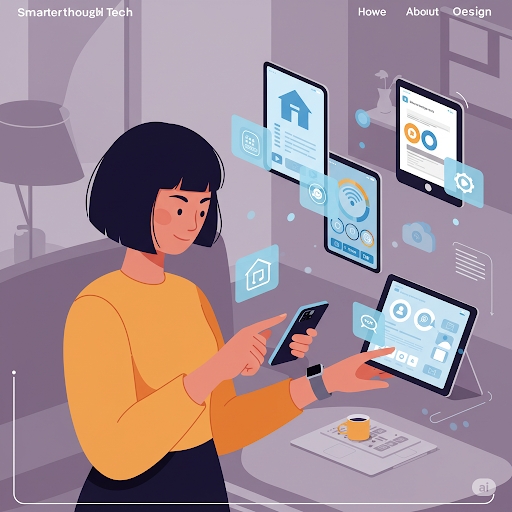
It looks like you’re interested in the latest tech tips and hacks to enhance your digital life as we approach late 2024. While we’re currently in May 2025, I can certainly provide you with insights and advice that were relevant in late 2024 and continue to be useful for smarter living with technology.
Here’s a breakdown of tips and hacks across various aspects of your digital life:
Security and Privacy:
- Strengthen your Wi-Fi router security: Ensure you’re using a strong encryption method like WPA2 or WPA3, change the default router name (SSID), and keep your router’s firmware updated.
- Change default usernames and passwords: For all your smart devices and online accounts, replace the factory-set credentials with strong, unique passwords.
- Review privacy policies: Understand how manufacturers and service providers store and use your data, especially for smart home devices.
- Be cautious with PDFs: Verify the sender before opening or downloading PDF files, as they can be a source of malware. Hover over links within PDFs to check their legitimacy. Consider using online PDF virus scanners if you’re unsure.
- Manage cookies wisely: Be selective about accepting cookies on websites. While some are necessary for functionality, third-party cookies often track your browsing habits for advertising purposes. Decline them when possible.
- Beware of phishing scams: Be particularly vigilant for phishing attempts via email and text messages, especially those impersonating services like postal services or banks. Always verify the sender’s authenticity through official channels.
- Use strong, unique passwords: Avoid reusing passwords across multiple accounts. Employ a mix of uppercase and lowercase letters, numbers, and special symbols. Consider using a password manager to securely store and generate complex passwords.
- Enable Multi-Factor Authentication (MFA): Whenever available, activate MFA for an extra layer of security on your accounts. This typically involves a second verification step beyond your password, such as a code from an authenticator app or a text message.
- Limit Bluetooth and Wi-Fi when not in use: Keeping these connections open unnecessarily can create potential entry points for unauthorized access.
- Keep software updated: Regularly update your operating systems, applications, and antivirus software to patch security vulnerabilities.
Productivity and Organization:
- Master the “Undo” function: The universal shortcut Ctrl+Z (Windows) or Cmd+Z (Mac) can save you from accidental deletions or changes in various applications.
- Utilize screenshots: Quickly capture important information like recipes, directions, or error messages using keyboard shortcuts (Windows key + Shift + S on PC, Cmd + Shift + 4 on Mac).
- Use voice assistants: Employ digital assistants like Siri, Google Assistant, or Alexa to open apps, make calls, set reminders, and perform quick tasks hands-free.
- Explore smart home routines: Automate sequences of actions for your smart devices (e.g., turning off lights, locking doors, adjusting thermostats with a single voice command).
- Leverage AI tools: Experiment with AI chatbots like ChatGPT, Gemini, or Claude for tasks like brainstorming, drafting emails, summarizing text, or even planning meals.
- Declutter your digital library: Regularly remove duplicate photos and unnecessary files from your devices and cloud storage to free up space and improve organization. Many operating systems and apps have built-in tools for this.
- Create digital to-do lists: Use apps like Asana, Trello, or Microsoft To Do to organize tasks, set priorities, and track progress.
- Schedule your day: Allocate specific time blocks for different tasks in your digital calendar to improve focus and time management.
- Use keyboard shortcuts: Learn common keyboard shortcuts for your frequently used applications to speed up your workflow.
- Take advantage of cloud storage: Services like Google Drive, Dropbox, or OneDrive allow you to access your files from any device and provide a backup in case of local data loss.
- Automate repetitive tasks: Explore tools like IFTTT or Zapier to create automated workflows for routine digital tasks.
Staying Focused and Managing Digital Well-being:
- Use Focus Modes: Activate “Do Not Disturb” or Focus Modes on your phone and computer to minimize distractions from notifications when you need to concentrate.
- Manage notifications: Customize app notification settings to receive only essential alerts.
- Practice digital detox: Schedule regular breaks from your devices to reduce digital stress and improve focus.
- Be mindful of screen time: Utilize built-in features on your devices to track and manage your screen time to ensure a healthy balance.
Smarter Communication:
- Reply to specific chat messages: In messaging apps like Teams, use the reply function to provide context to your responses.
- Forward chat messages: Easily share relevant information from one chat to another.
- Share your whole screen during video calls: When presenting or collaborating, share your entire screen to avoid having to switch between windows.
- Use email filters and rules: Organize your inbox by setting up filters to automatically sort and manage incoming emails.
- Schedule emails to be sent later: If you’re working outside of typical hours or want to time your communication, use the delay delivery option in email clients.
These tips and hacks should provide you with a solid foundation for smarter living through technology as we navigate our increasingly digital world. Remember that the specific tools and features available may have slightly evolved since late 2024, but the underlying principles of security, productivity, and well-being remain crucial.
Leave a Reply