Category: Tech Tips

  • Smarter Living Through Tech: Latest Tips and Hacks for Your Digital Life in Late 2025

    Smarter Living Through Tech: Latest Tips and Hacks for Your Digital Life in Late 2025

    It looks like you’re interested in the latest tech tips and hacks to enhance your digital life as we approach late 2024. While we’re currently in May 2025, I can certainly provide you with insights and advice that were relevant in late 2024 and continue to be useful for smarter living with technology.

    Here’s a breakdown of tips and hacks across various aspects of your digital life:

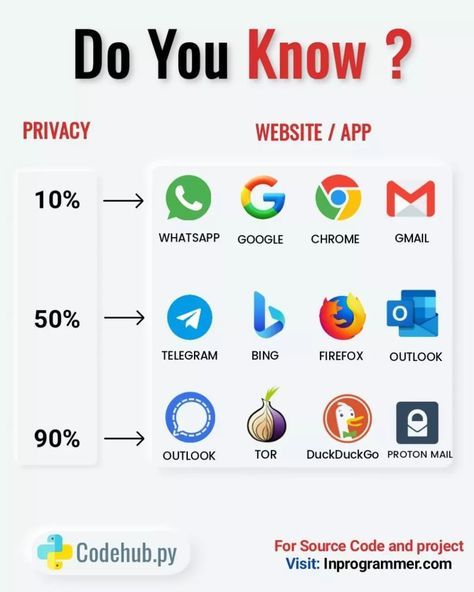
    Security and Privacy:

    • Strengthen your Wi-Fi router security: Ensure you’re using a strong encryption method like WPA2 or WPA3, change the default router name (SSID), and keep your router’s firmware updated.
    • Change default usernames and passwords: For all your smart devices and online accounts, replace the factory-set credentials with strong, unique passwords.
    • Review privacy policies: Understand how manufacturers and service providers store and use your data, especially for smart home devices.
    • Be cautious with PDFs: Verify the sender before opening or downloading PDF files, as they can be a source of malware. Hover over links within PDFs to check their legitimacy. Consider using online PDF virus scanners if you’re unsure.
    • Manage cookies wisely: Be selective about accepting cookies on websites. While some are necessary for functionality, third-party cookies often track your browsing habits for advertising purposes. Decline them when possible.
    • Beware of phishing scams: Be particularly vigilant for phishing attempts via email and text messages, especially those impersonating services like postal services or banks. Always verify the sender’s authenticity through official channels.
    • Use strong, unique passwords: Avoid reusing passwords across multiple accounts. Employ a mix of uppercase and lowercase letters, numbers, and special symbols. Consider using a password manager to securely store and generate complex passwords.
    • Enable Multi-Factor Authentication (MFA): Whenever available, activate MFA for an extra layer of security on your accounts. This typically involves a second verification step beyond your password, such as a code from an authenticator app or a text message.
    • Limit Bluetooth and Wi-Fi when not in use: Keeping these connections open unnecessarily can create potential entry points for unauthorized access.
    • Keep software updated: Regularly update your operating systems, applications, and antivirus software to patch security vulnerabilities.

    Productivity and Organization:

    • Master the “Undo” function: The universal shortcut Ctrl+Z (Windows) or Cmd+Z (Mac) can save you from accidental deletions or changes in various applications.
    • Utilize screenshots: Quickly capture important information like recipes, directions, or error messages using keyboard shortcuts (Windows key + Shift + S on PC, Cmd + Shift + 4 on Mac).
    • Use voice assistants: Employ digital assistants like Siri, Google Assistant, or Alexa to open apps, make calls, set reminders, and perform quick tasks hands-free.
    • Explore smart home routines: Automate sequences of actions for your smart devices (e.g., turning off lights, locking doors, adjusting thermostats with a single voice command).
    • Leverage AI tools: Experiment with AI chatbots like ChatGPT, Gemini, or Claude for tasks like brainstorming, drafting emails, summarizing text, or even planning meals.
    • Declutter your digital library: Regularly remove duplicate photos and unnecessary files from your devices and cloud storage to free up space and improve organization. Many operating systems and apps have built-in tools for this.
    • Create digital to-do lists: Use apps like Asana, Trello, or Microsoft To Do to organize tasks, set priorities, and track progress.
    • Schedule your day: Allocate specific time blocks for different tasks in your digital calendar to improve focus and time management.
    • Use keyboard shortcuts: Learn common keyboard shortcuts for your frequently used applications to speed up your workflow.
    • Take advantage of cloud storage: Services like Google Drive, Dropbox, or OneDrive allow you to access your files from any device and provide a backup in case of local data loss.
    • Automate repetitive tasks: Explore tools like IFTTT or Zapier to create automated workflows for routine digital tasks.

    Staying Focused and Managing Digital Well-being:

    • Use Focus Modes: Activate “Do Not Disturb” or Focus Modes on your phone and computer to minimize distractions from notifications when you need to concentrate.
    • Manage notifications: Customize app notification settings to receive only essential alerts.
    • Practice digital detox: Schedule regular breaks from your devices to reduce digital stress and improve focus.
    • Be mindful of screen time: Utilize built-in features on your devices to track and manage your screen time to ensure a healthy balance.

    Smarter Communication:

    • Reply to specific chat messages: In messaging apps like Teams, use the reply function to provide context to your responses.
    • Forward chat messages: Easily share relevant information from one chat to another.
    • Share your whole screen during video calls: When presenting or collaborating, share your entire screen to avoid having to switch between windows.
    • Use email filters and rules: Organize your inbox by setting up filters to automatically sort and manage incoming emails.
    • Schedule emails to be sent later: If you’re working outside of typical hours or want to time your communication, use the delay delivery option in email clients.

    These tips and hacks should provide you with a solid foundation for smarter living through technology as we navigate our increasingly digital world. Remember that the specific tools and features available may have slightly evolved since late 2024, but the underlying principles of security, productivity, and well-being remain crucial.

  • Boost Your Productivity: Essential Tools and Software for Maximum Efficiency in 2025

    Boost Your Productivity: Essential Tools and Software for Maximum Efficiency in 2025

    Task Management & Project Management:

    • Asana: A project management tool that helps teams organize work and track progress.
    • Trello: A flexible and visual project management tool using boards, cards, and lists.
    • Monday.com: A tool for managing basic and important day-to-day tasks, with user-friendly dashboards.
    • Todoist: A task management app for organizing tasks, projects, and goals.
    • Jira: Automates complex project workflows, especially useful for software teams.

    Communication & Collaboration:

    • Slack: A communication tool for workplace team building, with chat and message options.
    • Microsoft Teams: Integrates with Office 365 for enterprise-level collaboration.
    • Google Workspace: For document collaboration and team communication (Gmail, Docs, Sheets, Calendar).

    Note-Taking & Knowledge Management:

    • Notion: A customizable workspace for writing, planning, and organizing.
    • Evernote: A versatile note-taking app with organization features.
    • Google Keep: A simple and handy app for jotting down reminders and ideas.

    Time Tracking & Focus:

    • Toggl Track: Time-tracking software for effective time management.
    • RescueTime: An app to understand how time is spent on digital devices.
    • Flowtime: Combines the Pomodoro technique with task management.

    AI-Powered Tools:

    • ChatGPT: An AI chatbot for research, summarizing text, and writing.
    • Jasper: An AI writing assistant for generating content.
    • GitHub Copilot: An AI-powered code completion tool.

    Other Notable Tools:

    • Zapier: Automates workflows between different applications.
    • Beautiful.ai: Presentation design software.
    • 1Password: A password manager.
    • Dashlane: Password manager with secure sharing features.

    These tools offer a range of features to help individuals and teams manage tasks, communicate effectively, and improve overall productivity. The best choice will depend on specific needs and workflows.

  • Unlock Your Phone’s Potential: Top App Tips and Tricks for 2025

    Unlock Your Phone’s Potential: Top App Tips and Tricks for 2025

    “Unlock Your Phone’s Potential: Top App Tips and Tricks for 2025” suggests a focus on maximizing the utility of your smartphone through effective app usage. Here are some potential areas this article might cover, drawing from current trends and information relevant in 2025:

    I. Mastering Essential Apps:

    • Communication Apps:
      • Hidden Features: Exploring advanced features in messaging apps like scheduled messages, disappearing messages, or using custom reactions for better engagement. For example, in some apps, you might be able to pin important conversations for quick access or create custom notification sounds for priority contacts.
      • Productivity Integration: Tips on using communication apps for tasks like setting reminders within chats or quickly sharing files and collaborating on documents directly within the app.
    • Productivity Apps:
      • Automation: Utilizing automation features in apps like task managers (e.g., Todoist, TickTick) or note-taking apps (e.g., Notion, Evernote) to streamline repetitive tasks. This could involve setting up recurring tasks automatically or using integrations with other apps to create workflows.
      • Time Management: Leveraging features like time blocking in calendar apps (e.g., Google Calendar, Sunsama) or using Pomodoro timers integrated within task apps to enhance focus and manage time effectively.
    • Navigation Apps:
      • Offline Use: Highlighting the importance of downloading offline maps and how to use them effectively when you don’t have a stable internet connection.
      • Advanced Features: Exploring features like lane guidance, speed limit alerts, or integration with other services for real-time traffic updates and alternative routes.
    • Camera Apps:
      • Pro Modes: Diving into manual camera controls for adjusting ISO, shutter speed, and focus to take better photos in various conditions.
      • AI-Powered Features: Utilizing AI scene detection, object recognition, and computational photography features to automatically enhance your photos.

    II. Optimizing Your App Experience:

    • Customization:
      • App Settings: Encouraging users to delve into individual app settings to personalize their experience, such as notification preferences, data usage controls, and accessibility options (e.g., dark mode, font size adjustments).
      • Widgets and Shortcuts: Demonstrating how to use home screen widgets for quick access to essential app functions and creating shortcuts for frequently used actions.
    • Privacy and Security:
      • Permission Management: Guiding users on reviewing and managing app permissions to control what data apps can access (location, contacts, microphone, camera).
      • Privacy Features: Utilizing built-in privacy features like app tracking transparency or secure folders to protect sensitive information.
    • Battery and Data Saving:
      • Background App Refresh: Showing how to manage background app refresh settings to limit data and battery consumption by apps that aren’t actively in use.
      • Data Saver Modes: Utilizing data saver features within apps and the phone’s operating system to reduce mobile data usage.

    III. Discovering Useful App Tricks:

    • App Linking and Sharing: Tips on easily sharing content between different apps and using features like Android’s Nearby Share or iOS’s AirDrop.
    • Accessibility Features: Highlighting useful accessibility features within apps and the operating system that can benefit a wider range of users, such as voice control, screen readers, and magnification tools.
    • Utilizing AI Features: Exploring how AI is integrated into various apps to offer smart suggestions, automate tasks, and provide personalized experiences (e.g., AI writing assistants, smart search functionalities).

    This hypothetical article would aim to empower smartphone users to go beyond basic app usage and discover the full potential of their devices by leveraging both well-known and lesser-known features and tricks available in 2025.

  • Tech Tools That Pay Off: Boosting Your Online Business ROI

    Tech Tools That Pay Off: Boosting Your Online Business ROI

    Boosting your online business ROI (Return on Investment) hinges on strategically leveraging technology. The right tech tools can streamline operations, enhance customer engagement, optimize marketing efforts, and ultimately drive sales and profitability. Here’s a breakdown of tech tools that can significantly pay off for your online business:

    Customer Relationship Management (CRM) Systems

    • What it does: A CRM system helps you manage interactions with current and potential customers. It centralizes customer data, tracks communications, automates sales processes, and provides valuable insights into customer behavior.
    • Benefits for ROI:
      • Improved customer retention through personalized interactions and better service.
      • Increased sales by nurturing leads more effectively and identifying upselling opportunities.
      • Enhanced marketing effectiveness through targeted campaigns based on customer data.
      • Better team collaboration and efficiency by providing a unified view of customer interactions.
    • Examples: HubSpot CRM (offers a free version), Zoho CRM, Salesforce Essentials.

    Email Marketing Tools

    • What it does: Email marketing platforms allow you to build email lists, create and send marketing campaigns, automate email sequences, and analyze the results.
    • Benefits for ROI:
      • High ROI compared to other marketing channels.
      • Direct communication with your audience to promote products, share updates, and build relationships.
      • Personalized email campaigns can lead to higher conversion rates.
      • Automation features save time and effort in nurturing leads and engaging customers.
    • Examples: Mailchimp (offers a free plan), Sendinblue, Constant Contact, ActiveCampaign.

    Search Engine Optimization (SEO) and Analytics Platforms

    • What it does: SEO tools help you optimize your website and content to rank higher in search engine results pages (SERPs), driving organic traffic. Analytics platforms track website traffic, user behavior, and conversion rates, providing insights for improvement.
    • Benefits for ROI:
      • Increased organic traffic to your website, which is often high-intent and cost-effective.
      • Better understanding of your audience, their behavior, and what content resonates with them.
      • Identification of areas for website improvement to enhance user experience and conversion rates.
      • Measurement of marketing campaign performance to optimize strategies.
    • Examples:
      • SEO: SEMrush, Ahrefs, Moz, Yoast SEO plugin for WordPress.
      • Analytics: Google Analytics (free and essential).

    Social Media Management Tools

    • What it does: These tools allow you to schedule social media posts, manage multiple social media accounts from one platform, track engagement, and analyze performance.
    • Benefits for ROI:
      • Increased brand awareness and reach.
      • Improved engagement with your audience, fostering loyalty and driving traffic to your website.
      • Time-saving through content scheduling and streamlined management.
      • Performance analysis to refine your social media strategy.
    • Examples: Hootsuite (offers a free plan), Buffer, Sprout Social, Planable.

    E-commerce Platforms

    • What it does: For online businesses selling products or services, an e-commerce platform provides the infrastructure to build and manage an online store, process payments, manage inventory, and handle shipping.
    • Benefits for ROI:
      • Direct sales channel to reach a global customer base.
      • Scalability to grow your business without physical limitations.
      • Integration with other essential tools like payment gateways and marketing platforms.
      • Data on customer purchases and behavior to inform marketing and product development.
    • Examples: Shopify, WooCommerce (requires WordPress), BigCommerce, Square Online (offers a free plan).

    Project Management and Collaboration Tools

    • What it does: These tools help teams organize tasks, manage projects, collaborate effectively, share files, and track progress.
    • Benefits for ROI:
      • Improved team productivity and efficiency.
      • Better communication and coordination among team members.
      • Reduced errors and missed deadlines.
      • Streamlined workflows and resource management.
    • Examples: Trello (offers a free plan), Asana, Monday.com, Slack (for communication).

    Content Creation and Design Tools

    • What it does: These tools help you create engaging visual content, including graphics for social media, website images, marketing materials, and videos.
    • Benefits for ROI:
      • Enhanced brand image and professionalism.
      • More visually appealing content that can increase engagement and conversions.
      • Cost-effective alternative to hiring designers for every task.
      • Consistency in branding across all platforms.
    • Examples: Canva (offers a free plan), Adobe Creative Cloud Express (free plan available), Snappa.

    Automation Tools

    • What it does: Automation tools help you automate repetitive tasks across different applications and workflows, saving time and reducing manual effort.
    • Benefits for ROI:
      • Increased efficiency by automating time-consuming tasks like data entry, email follow-ups, and social media posting.
      • Reduced errors associated with manual processes.
      • Improved lead nurturing and customer engagement through automated workflows.
      • Better allocation of resources to focus on strategic activities.
    • Examples: Zapier, Integromat (Make), Automate.io.

    Website Analytics Tools

    • What it does: Beyond general analytics, specific tools can provide deeper insights into user behavior on your website, such as heatmaps, session recordings, and A/B testing capabilities.
    • Benefits for ROI:
      • Understanding how users interact with your website to identify areas for improvement in user experience (UX) and conversion rate optimization (CRO).
      • Data-driven decisions on website design, content placement, and call-to-actions.
      • Increased conversion rates by optimizing the user journey.
      • Better return on advertising spend by optimizing landing pages and identifying high-converting traffic sources.
    • Examples: Hotjar, Crazy Egg, Google Optimize (for A/B testing).

    Key Considerations When Choosing Tech Tools:

    • Your Business Needs: Identify the specific challenges and opportunities in your online business. Choose tools that directly address these needs.
    • Budget: Consider the cost of the tools, including any subscription fees. Many tools offer free plans or trials to get started.
    • Ease of Use: Select tools that are user-friendly and don’t require extensive technical expertise.
    • Integration Capabilities: Ensure the tools you choose can integrate with your existing systems and other tools for a seamless workflow.
    • Scalability: As your business grows, the tools you use should be able to scale with you.

    By carefully selecting and implementing the right tech tools, you can significantly boost your online business ROI by increasing efficiency, improving customer relationships, optimizing marketing efforts, and driving sales growth. Remember to regularly evaluate the performance of your tools and adapt your tech stack as your business evolves.

  • Unlock Your Online Potential: Essential Tech Tips for Business Growth

    Unlock Your Online Potential: Essential Tech Tips for Business Growth

    The digital landscape presents unprecedented opportunities for business growth, but navigating it effectively requires more than just a website. It demands a strategic approach leveraging the right technologies. This article unveils essential tech tips that can empower your online business to not only survive but thrive, unlocking its full potential for expansion and success in the competitive digital arena.

    (Section 1: Laying the Foundation – Essential Website & Infrastructure)

    • Tip 1: Mobile-First Optimization: In an increasingly mobile world, ensure your website is fully responsive and provides a seamless experience across all devices. Discuss the importance of mobile-friendly design, fast loading times on mobile, and catering to on-the-go users.
    • Tip 2: Secure Your Online Presence with HTTPS & SSL: Emphasize the critical role of website security in building trust with customers and improving SEO rankings. Explain what HTTPS and SSL certificates are and how to implement them.
    • Tip 3: Choose the Right Hosting for Performance & Scalability: Discuss different types of web hosting (shared, VPS, dedicated, cloud) and guide readers on selecting a solution that meets their current needs and can scale with their growth. Mention the impact of hosting on website speed and reliability.

    (Section 2: Fueling Growth – Essential Marketing & Sales Technologies)

    • Tip 4: Harness the Power of Email Marketing Automation: Introduce email marketing platforms and explain how automation can nurture leads, personalize customer communication, and drive sales. Discuss segmentation, autoresponders, and tracking key metrics.
    • Tip 5: Leverage Social Media Management Tools for Efficiency: Showcase tools that allow businesses to schedule posts, manage multiple social media accounts, and analyze performance, freeing up time for more strategic activities.
    • Tip 6: Implement Basic SEO Strategies for Organic Visibility: Provide actionable tips on keyword research, on-page optimization (title tags, meta descriptions, content optimization), and the importance of quality content for attracting organic traffic.
    • Tip 7: Explore CRM Systems for Enhanced Customer Relationships: Explain how CRM software can help businesses organize customer data, track interactions, improve customer service, and ultimately boost sales and loyalty.

    (Section 3: Optimizing Operations – Essential Productivity & Analytics Tools)

    • Tip 8: Embrace Cloud Storage and Collaboration Tools: Highlight the benefits of using cloud services for data storage, file sharing, and team collaboration, improving accessibility and productivity (e.g., Google Drive, Dropbox).
    • Tip 9: Utilize Project Management Software for Streamlined Workflow: Introduce tools that help businesses organize tasks, manage projects, track progress, and improve team coordination (e.g., Asana, Trello, Monday.com).
    • Tip 10: Track Your Progress with Web Analytics: Emphasize the importance of using tools like Google Analytics to monitor website traffic, understand user behavior, and gain insights for data-driven decision-making and marketing optimization.

    (Conclusion)

    Unlocking your online potential is an ongoing process that requires embracing the right technologies and adapting to the ever-evolving digital landscape. By implementing these essential tech tips, you can build a strong foundation, effectively reach your target audience, optimize your operations, and ultimately drive sustainable growth for your online business. The key is to start with the fundamentals and continuously explore new technologies that can give you a competitive edge.